Looking Back at ESTIV 2026
VHP4Safety Shines at ESTIV 2026 and ASPIS Open Symposium!
The past month has been a whirlwind of activity for VHP4Safety, marked by a strong presence at the 23rd International Congress of the European Society of Toxicology In Vitro (ESTIV), held from 29 June to 2 July 2026. Our team played an active role not only during the congress but also in the pre- and post-congress workshops and sessions, showcasing our contributions to human relevant and animal-free next-generation safety assessment.
Pre-Congress Workshop
Our members Danyel Jennen and Jente Houweling took center stage in the pre-congress workshop “Research Output Management for NAMs Made Easy.” Jente presented her work on the ToxTempAssistant, emphasizing its role in streamlining documentation for cell-based toxicological test methods.
VHP4Safety Session at ESTIV: A Deep Dive into Next-Generation Safety Assessment
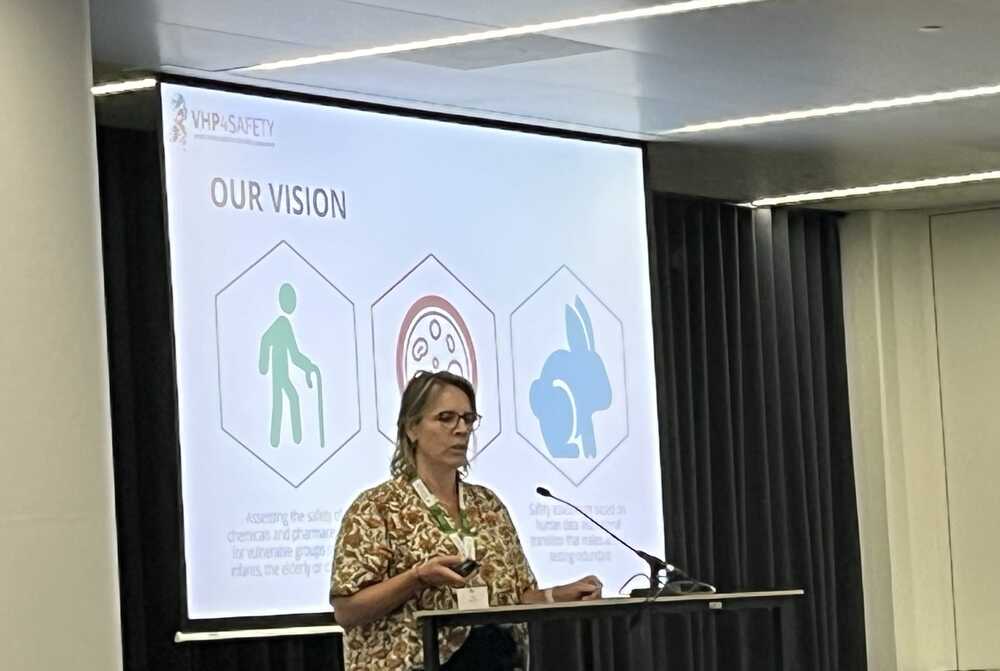
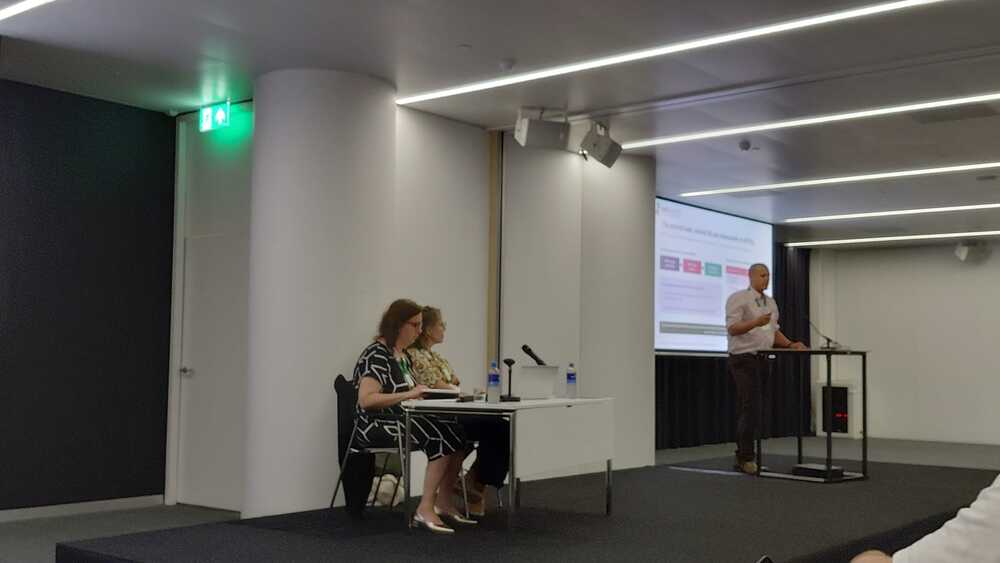
On 30 June, VHP4Safety organized a highly successful session titled “Beyond VHP4Safety: How to Move Toward Next-Generation Safety Assessment Based on Human Data?” Marketa Dvorokova and Anne Kienhuis chaired the session, which began with an introduction by Anne on the VHP4Safety project. The session was thoughtfully structured to deliver a comprehensive and cohesive message about the platform’s capabilities and its potential to advance human-based safety assessment.
The presentations followed a clear narrative arc:
- Marvin Martens presented an overview of the development of VHP4Safety and its final result: the Virtual Human Platform. He highlighted how the platform connects open and FAIR computational services into an integrated workflow for next-generation safety assessment and illustrated this through the thyroid case study, in which the platform was used to address a regulatory question. The presentation brought together the work of many contributors from across the project.
- Devon Barnes presented “AOP-Guided Omics for Human-Relevant Assessment of Platinum-Induced Kidney Failure.” His talk addressed the challenges of predicting kidney toxicity, particularly proximal tubule injury, and demonstrated how literature-based Adverse Outcome Pathways (AOPs), functional ciPTEC readouts, and transcriptomics can be combined to identify key event modules for next-generation safety assessment. Using platinum-induced nephrotoxicity as a case study, Devon showed how transcriptomic profiling of ciPTECs exposed to cisplatin, carboplatin, and oxaliplatin revealed mechanistically interpretable modules, such as DNA damage/p53 signaling, proteasome activation, and mitochondrial translation.
- Isaac Ortega Alvarado concluded the session by focusing on the iterations of the platform, their significance, and their implications for potential users. Instead of delving into technical details of the platform, already presented by Marvin and Devon, Isaac focused on the broader socio-technical perspective of the platform.
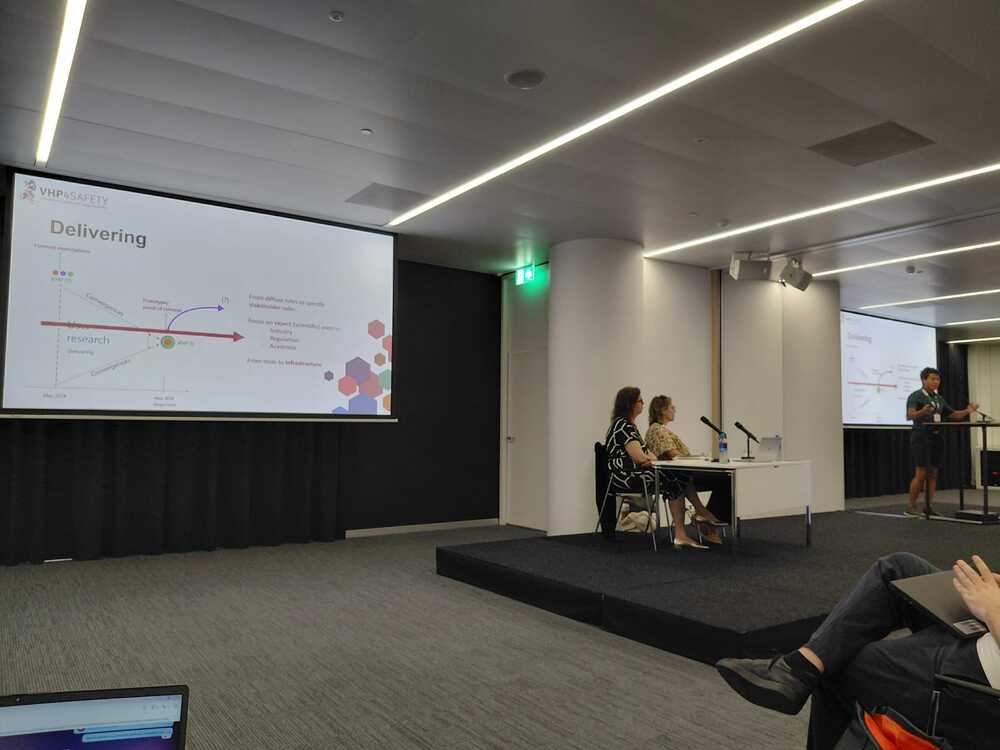
The session sparked engaging discussions, with questions addressing both technical and strategic aspects of the project:
- Open access and sustainability: Isaac addressed questions about the platform’s open-access nature and its alignment with FAIR principles. He explained that while the platform is currently open access, efforts are underway to ensure its long-term sustainability. Anne Kienhuis and Cyrille Krul added that the project is exploring business models to maintain open access beyond its current funding.
- Regulatory involvement: A question about the involvement of regulators led Anne to clarify that, as a Dutch national project, VHP4Safety has strongly integrated the RIVM (Dutch National Institute for Public Health and the Environment) in defining regulatory questions. She highlighted the need to expand regulatory engagement in future international iterations of the platform.
- Mechanistic validation: Devon’s presentation prompted discussions on how transcriptomic modules can be functionally validated and how they contribute to quantitative AOP development. The audience was introduced to human proximal tubule models, like ciPTECs, and how this model can support the transition from descriptive NAM data to mechanistically grounded safety assessments.
- Project organization: Questions after the session also focused on how the project was organized through designathons, hackathons and regular scrum meetings. Marvin commented that while this represented a highly active and intensive way of working, it proved valuable for coordinating many partners and working collectively towards a common goal.
- Tool and code availability: Participants also asked about access to some of the tools and underlying code. The tools and code developed within the project are openly available through GitHub as open-source resources. The Virtual Human Platofrm and its tools, methods and data can be accessed through https://platform.vhp4safety.nl.
Overall, the session exemplifies how VHP4Safety is connecting mechanistic toxicology, NAMs, and platform-compatible modeling approaches into a transparent, open access platform to drive the future of safety assessment.
Additionally, Cyrille Krul gave a presentation on “The Role of NAMs in Transforming to Human-Based Safety Assessment” as part of the session “Advancing the Use of NAMs in Food Safety: Innovations, Challenges, and Future Directions,” chaired by Ricard Celorio and Iva Sovadinova.
Cyrille was invited to present on behalf of the ILSI Taskforce New Approach Methodologies. She presented some new developments, such as the use of human tissue models and the opportunities for improving food safety assessment by applying VHP4Safety. Besides new case studies shared infrastructures, standardise quality frameworks and regulatory dialogue is needed to build trust and confidence. Her key message was that the challenge is no longer to develop NAMs - but to make them work together in a system that regulators and society can trust.
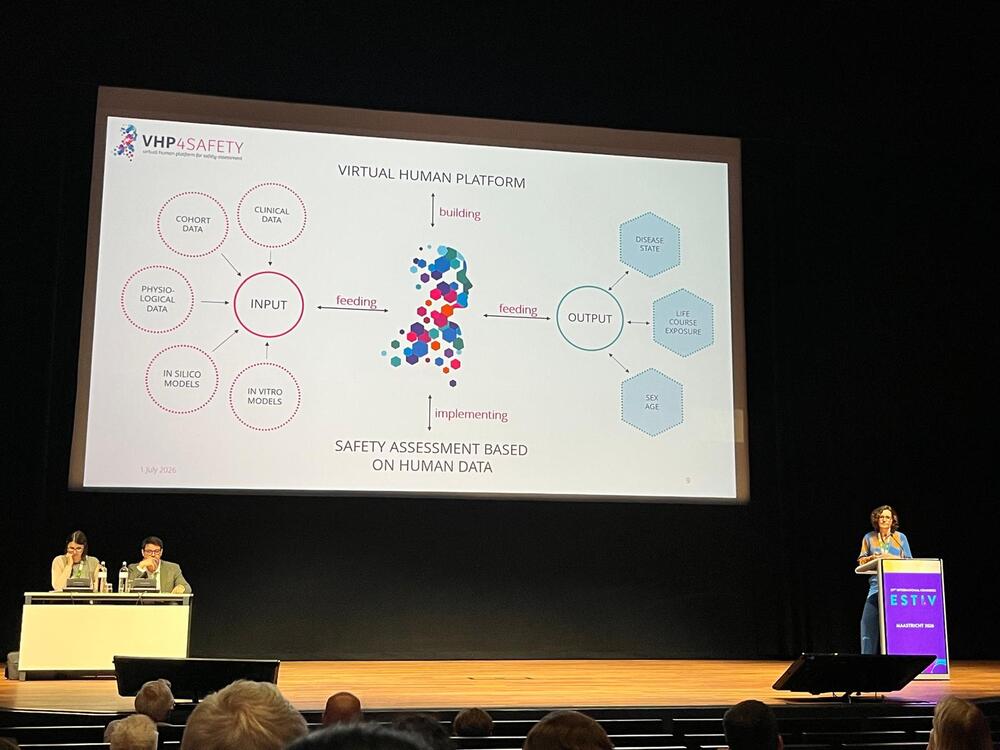
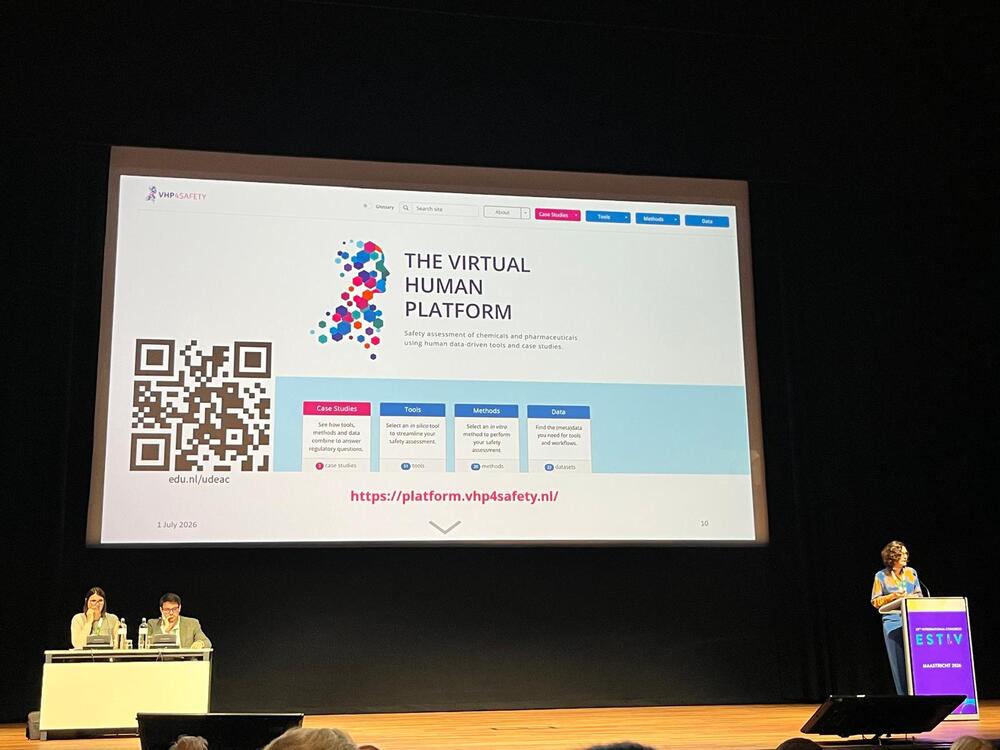
Marc Teunis participated in several panels and sessions focused on AI in toxicology. Special attention was brought to the theme of ‘Being a scientist in the Era of AI’, where several panelists gave their views on how AI is (or is not) changing the way scientists work and how science is moving forward. In a talk on the role of language models in a AI, Marc presented the work on F-AI-R agents, that lead to reproducibility of data egenration and analysis and increase FAIR-ness of data (https://zenodo.org/records/20459129).
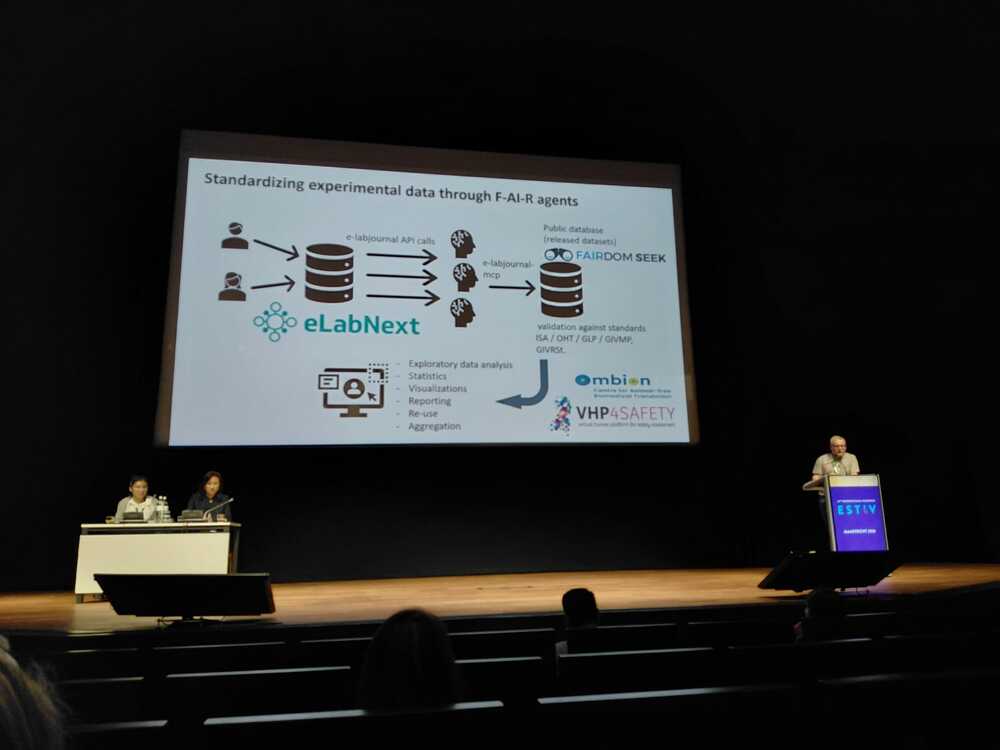
ASPIS Open Symposium 2026
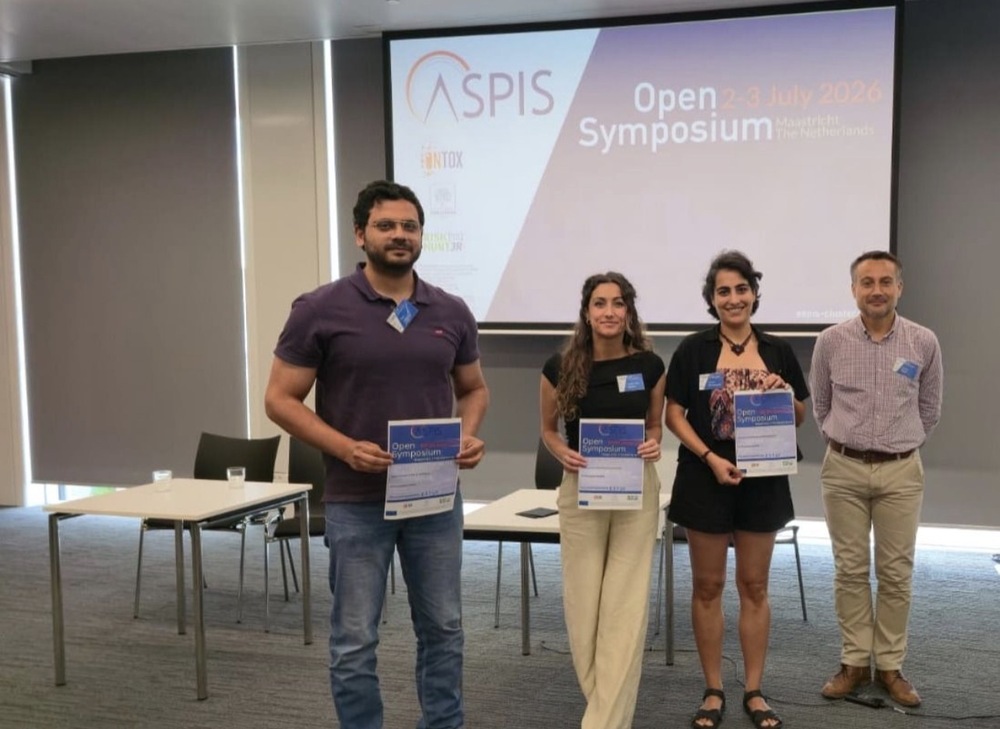
Following ESTIV, the ASPIS Open Symposium 2026 provided a platform for scientific sessions, poster presentations, networking, and discussions with researchers from various ASPIS projects, including ONTOX, PrecisionTox, and RISK-HUNT3R. The symposium was an excellent opportunity to exchange ideas on NAMs, reproducibility, and regulatory toxicology, while exploring potential future collaborations.
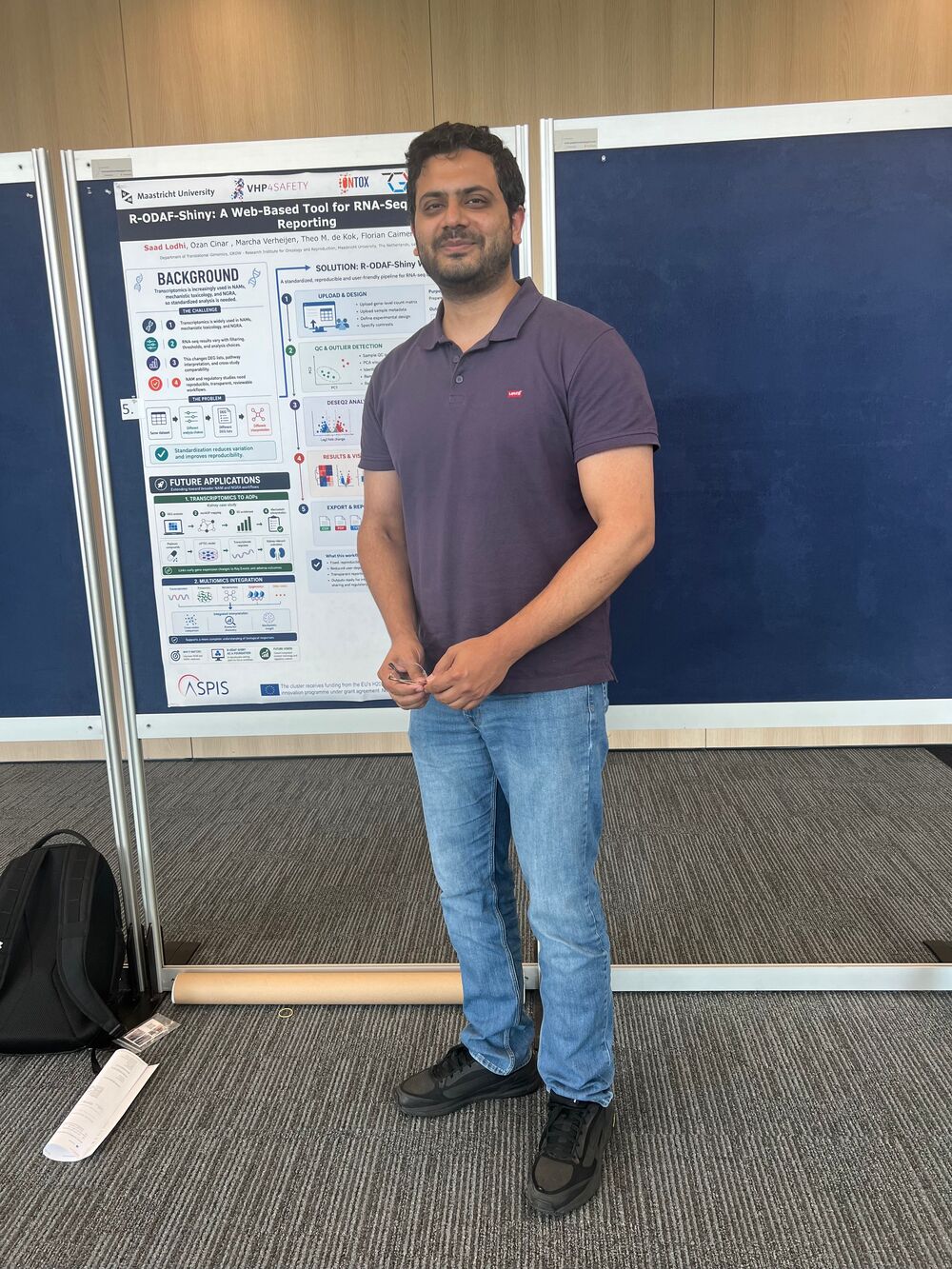
A highlight of the symposium was the presentation of R-ODAF-Shiny, an interactive web application based on the validated R-ODAF transcriptomics workflow. Developed within the VHP4Safety consortium, this tool lowers the technical barrier to standardized transcriptomics analysis by offering an easy-to-use interface while ensuring a fixed, reproducible workflow. This enhances the accessibility, transparency, and reproducibility of transcriptomics analyses for NAM and regulatory applications.
Saad presented a poster titled “R-ODAF-Shiny: An Interactive and Reproducible Transcriptomics Analysis Framework for Regulatory Application” and delivered a 3-minute pitch introducing the tool, its motivation, functionality, and potential applications. The presentations sparked engaging discussions on reproducible transcriptomics workflows, standardization, and their broader regulatory applications. We are thrilled to share that Saad received one of the Best Poster Awards at the symposium. Congratulations, Saad!